Climate and energy
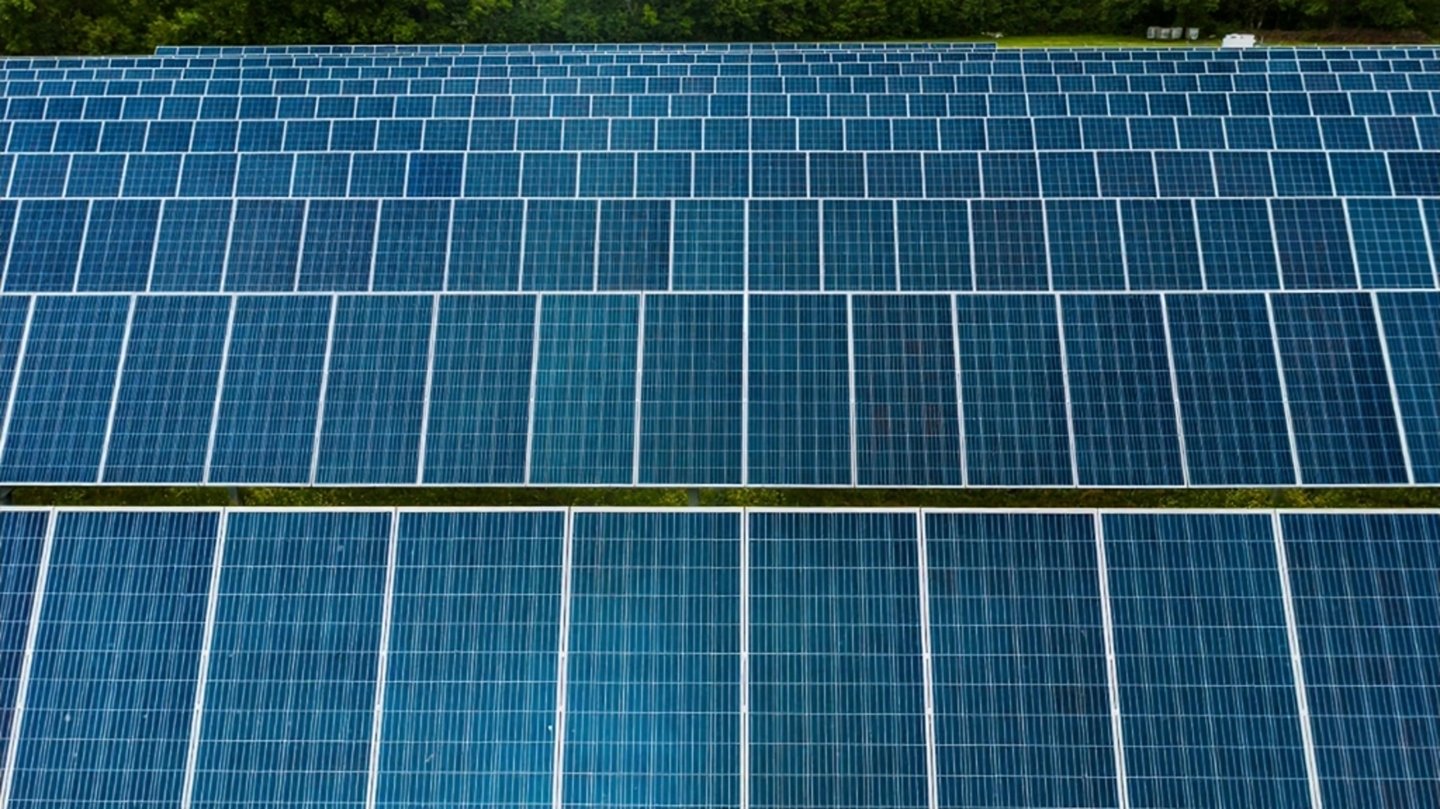
Managing energy use and greenhouse gas emissions is a key part of Fibox’s approach to environmental responsibility. Fibox improves energy efficiency across Fibox’s operations, increases the use of renewable and other low‑carbon electricity, and develops practical ways to reduce emissions throughout its value chain.
As part of this approach, Fibox has set a company-wide target to reduce combined Scope 1 and Scope 2 greenhouse gas emissions by 63% by 2035, using 2024 as the baseline year. Fibox also continues to strengthen its environmental data, transparency and reporting practices while preparing science-based climate targets aligned with the Science Based Targets initiative (SBTi).
Through local production and operational improvements, energy efficiency measures and sourcing solutions, Fibox focuses on reducing energy use and emissions across its operations worldwide.

Resource efficiency and waste
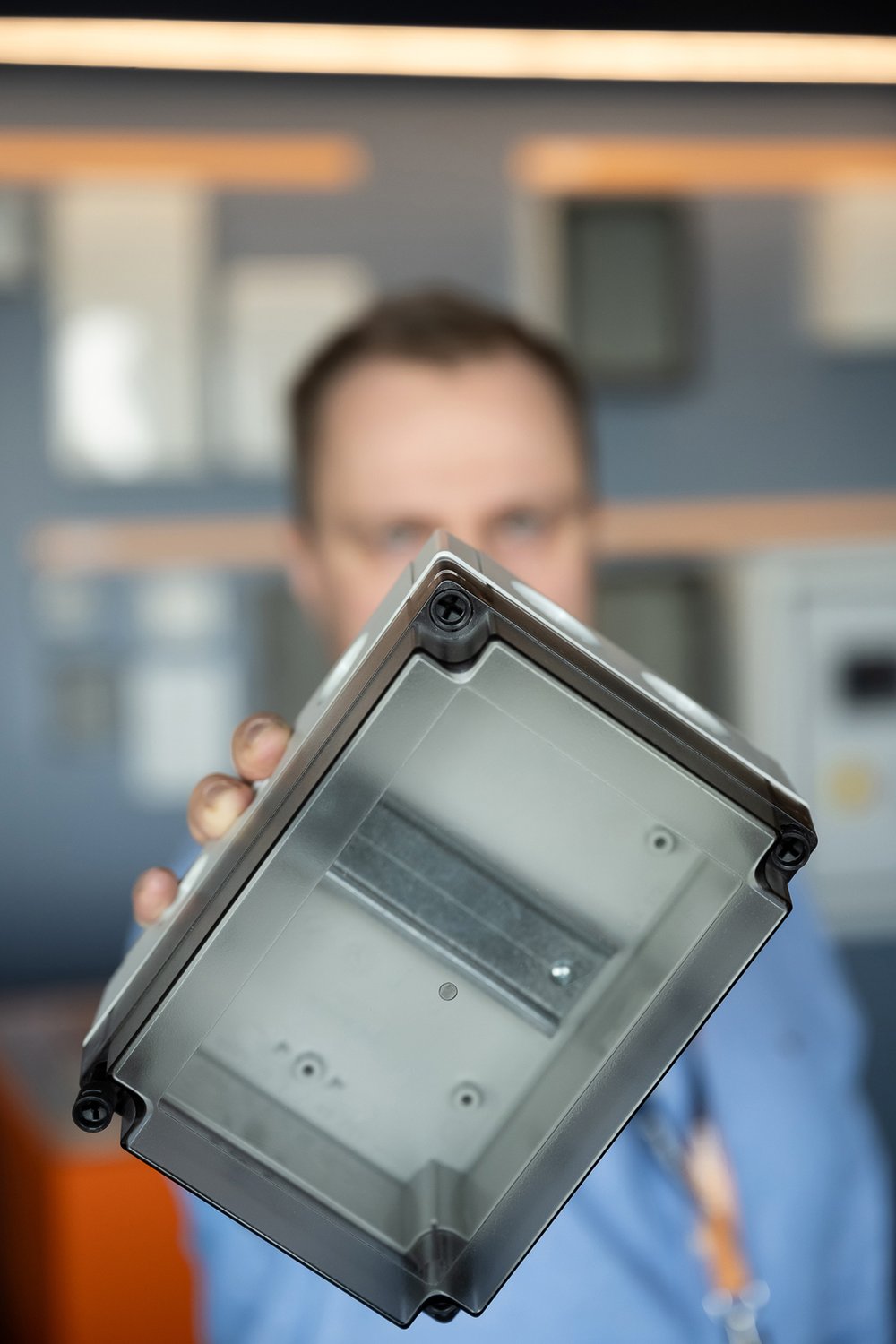
Resource efficiency and waste management are an important part of Fibox’s operations. Resource use is mainly related to plastics, which are the primary material in Fibox’s products, together with packaging materials and metal components, particularly in injection moulding processes.
Fibox products are designed for long service life, often remaining in use for decades in demanding environments. This supports efficient use of materials over time, as materials remain in use for long periods before entering waste or recycling streams.
Resource efficiency is managed through:
• optimisation of production processes
• reuse and recycling of production scrap where feasible
• efficient use of materials in product design and manufacturing
Approaches vary across Fibox operations. Manufacturing entities focus on material efficiency and recycling of production scrap, while Fibox Tested Systems focuses on efficient sourcing, minimisation of assembly-related waste and the responsible handling of packaging and components.
Fibox uses recycled plastic materials where technically and commercially feasible, including regranulated materials from internal production scrap. The overall share of recycled materials remains limited, reflecting technical, regulatory and customer requirements. Increasing the use of recycled and lower-impact materials is an area of ongoing development.
Fibox has developed and published third-party verified Environmental Product Declarations (EPDs) for polycarbonate and ABS enclosure products manufactured at the Lempäälä site, providing standardised and comparable lifecycle climate data to support customers in assessing product-level environmental impacts.
Other environmental Impacts
Other environmental impacts at Fibox are related to water, biodiversity and pollution. These impacts are generally limited in scope and vary across operations and are managed as part of overall environmental practices and compliance with applicable regulations.
Water use at Fibox is primarily related to cooling processes in injection moulding and general facility use. Based on current assessment, water-related impacts are limited, and no material water-related impacts have been identified in Fibox’s operations.
A screening of Fibox locations indicates that Fibox’s sites are not located in or near protected biodiversity areas. No Fibox sites have been identified in biodiversity-sensitive or protected areas, and biodiversity impacts are therefore considered limited, while continuing to be monitored as part of ongoing sustainability development.
Pollution impacts are mainly associated with normal industrial activities and the handling of materials. Based on current operations, no significant pollution impacts or incidents have been identified, and environmental management focuses on compliance, safe handling of materials and continuous improvement.