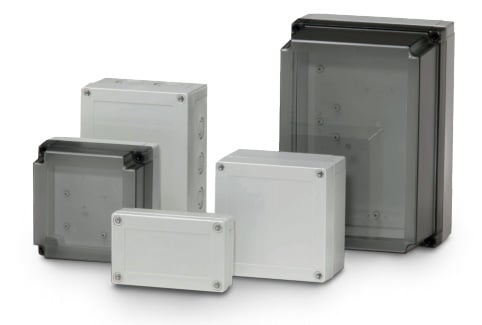
Enclosures
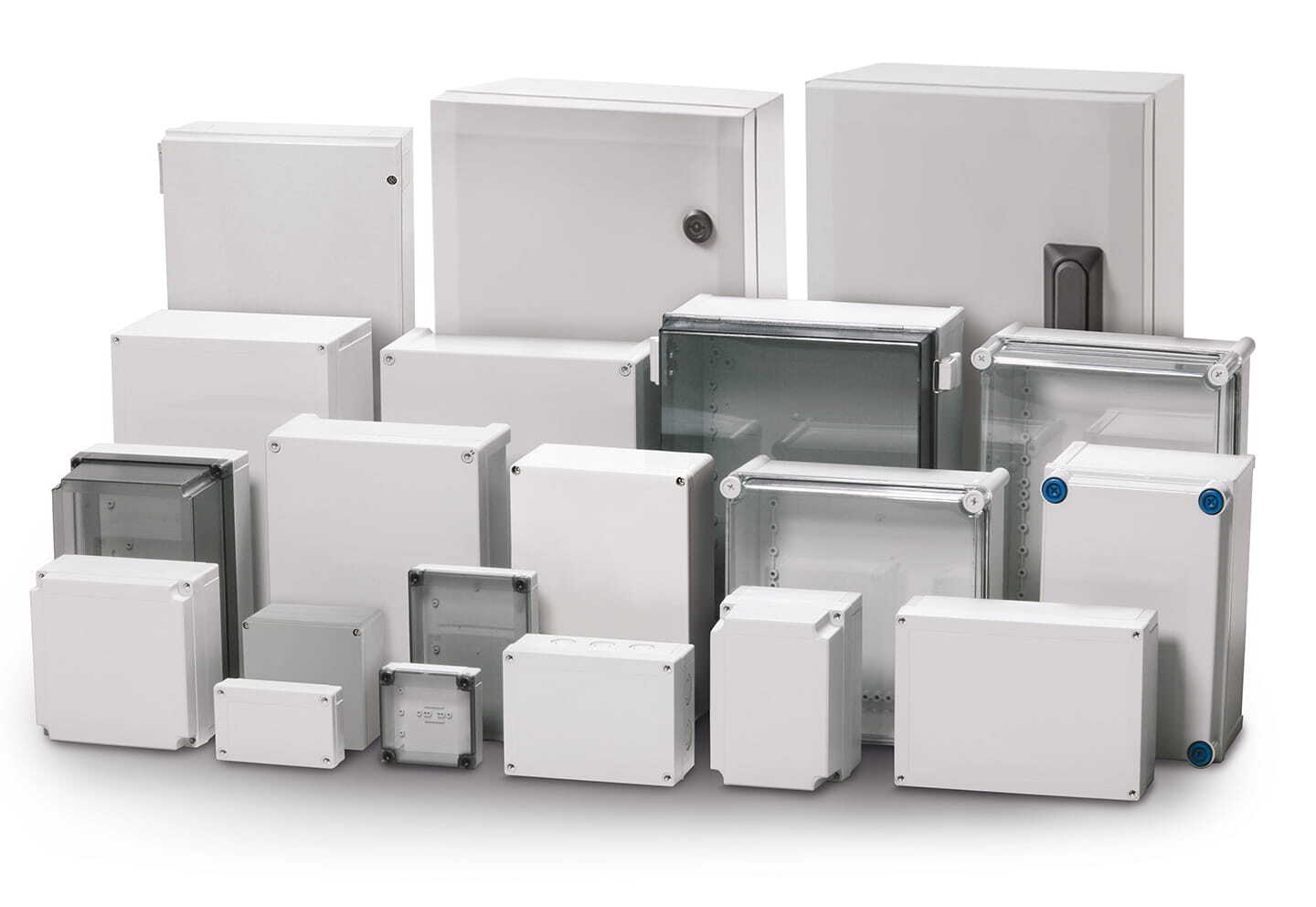
Wide selection of enclosures that are designed to house and protect all kinds of electrical and electronic components in the most demanding applications.
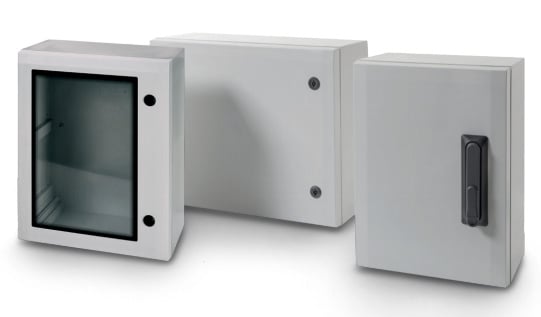

Introducing
ARCA T
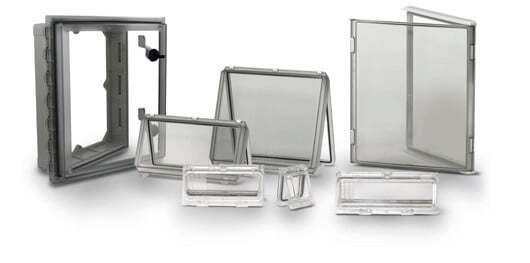
The trusted ARCA IEC cabinet series has evolved. Featuring the largest integrated transparent door on the market, the ARCA T is engineered for smarter monitoring, enhanced safety, and seamless efficiency in the most demanding environments.
.png?width=1000&name=FI-ARCA-T-01-2026_DSC00311%20(1).png)
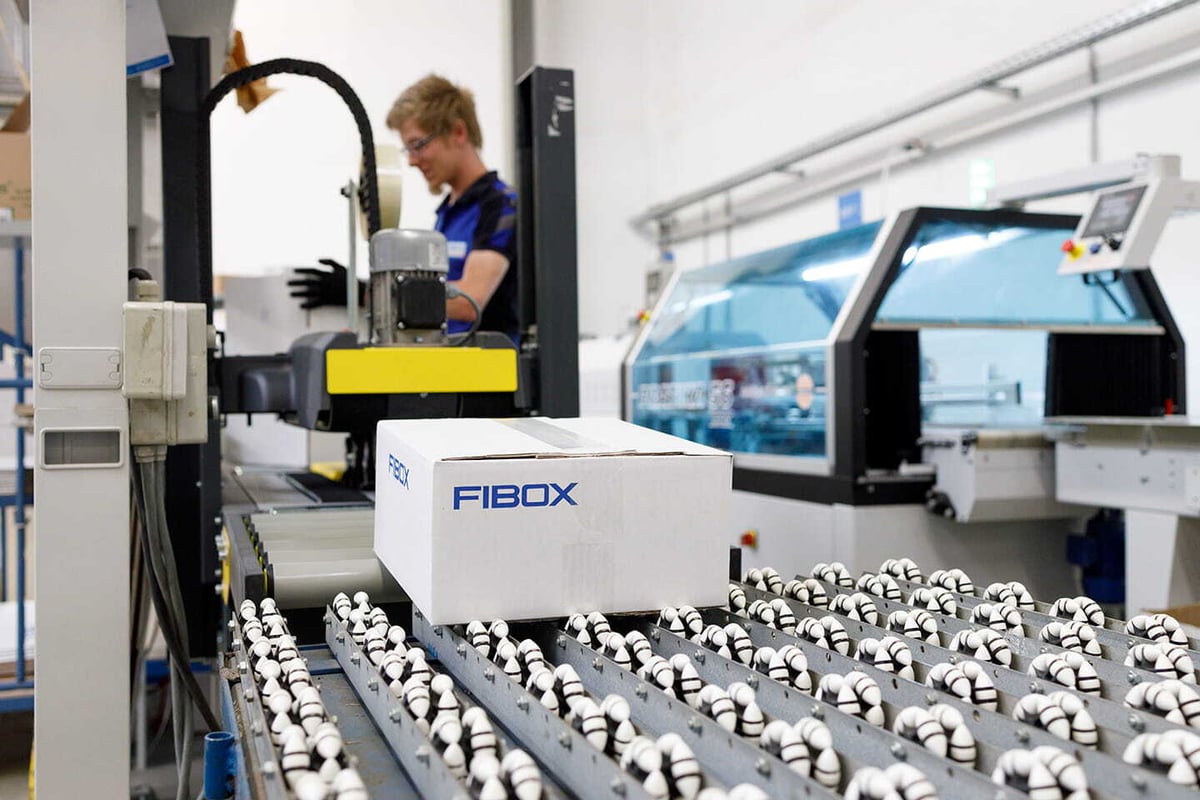
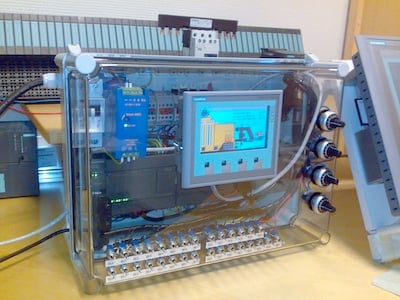
Tampere Technology Center
- Product development
- Project management
- Technical support
Rajasilta 6
33880 Lempäälä
Finland
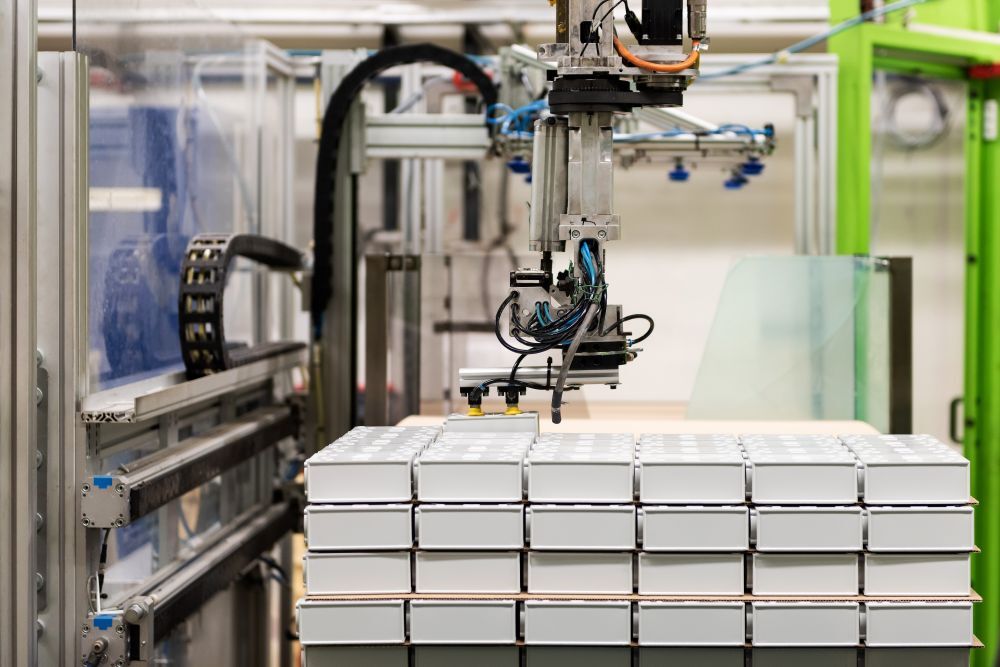
Fibox PAM Oy
Rajasilta 6
33880 Lempäälä
Finland
Te. +358 20 778 5800
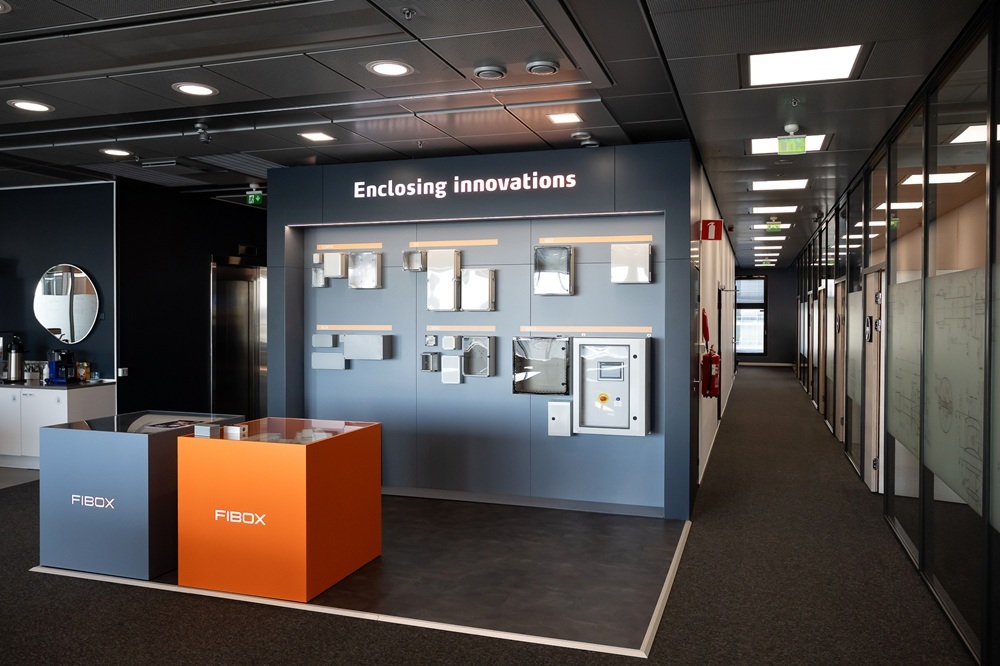
Fibox Headquarter
- Leadership
- Administration
- Marketing
- Sales
Fibox Oy Ab
Keilaranta 17
02150 Espoo
Finland
infofi@fibox.com
Tel. +358 207 785 700
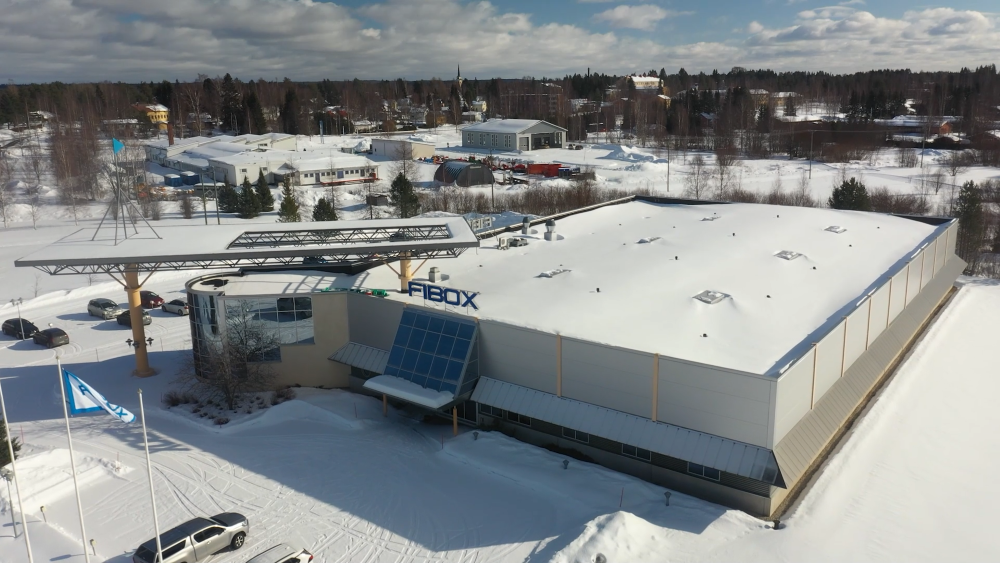
Fibox Tested Systems
- Electrical and automation systems
- Electrical engineering
- PLC programming
- ESD assembly
- ISO 9001, ISO 14001, ISO 45001 and UL 508A certified
Hovinpelto 2
74700 Kiuruvesi
Finland
Tel. +358 20 7785700
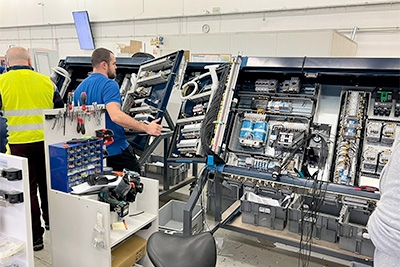
Fibox Sp. z.o. o.
- Control Panel assembly
- Wire harness manufacturing
- ESD assembly
- Ex assembly approvals
- Logistics services
- ISO 9001, ISO 14001, ISO 45001 and UL 508A certified
- UL508A control panels
Ul Dzieciola 19
04-988 Warsaw
Poland
Infopl@fibox.com
Tel.+48 22 256 57 88
Tel. +48 22 256 57 77
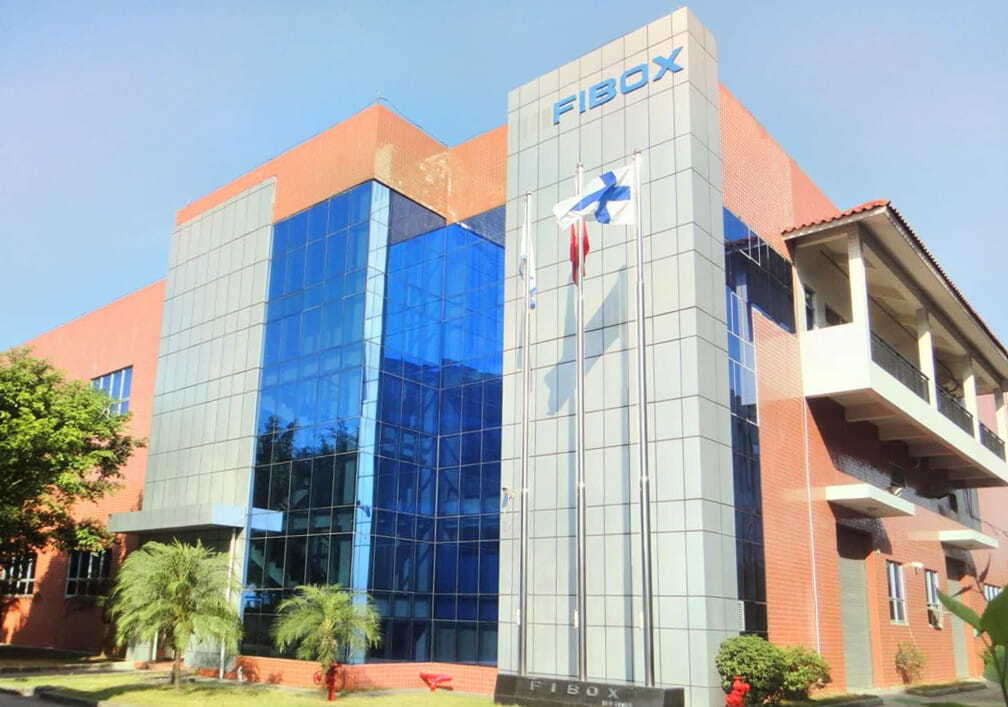
Fibox China
- Injection molding
- Enclosure manufacturing
Guangzhou Fibox Engineering Plastics Co., Ltd.
No. 36, Dongpeng Avenue, Huangpu Distric,
Guangzhou, Guangdong Province
China
020-61790199
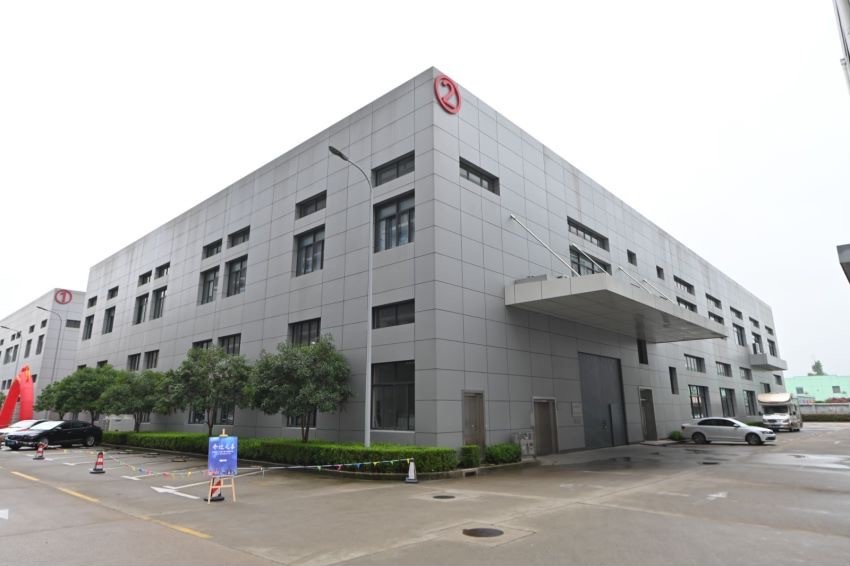
Fibox Shanghai LTD
- Electrical enclosures
- Electrical automation systems
- Engineering plastics
1st Floor, Building 2,
No.1885 Duhui Rd., Minhang District
Shanghai 201108
Tel: 021-64959922
Fibox A/S
- Administration
Fibox A/S
Taastrup Hovedgade 101, 1. sal
2630 Taastrup
Denmark
ordre@fibox.com
Tel.: +45 43718055
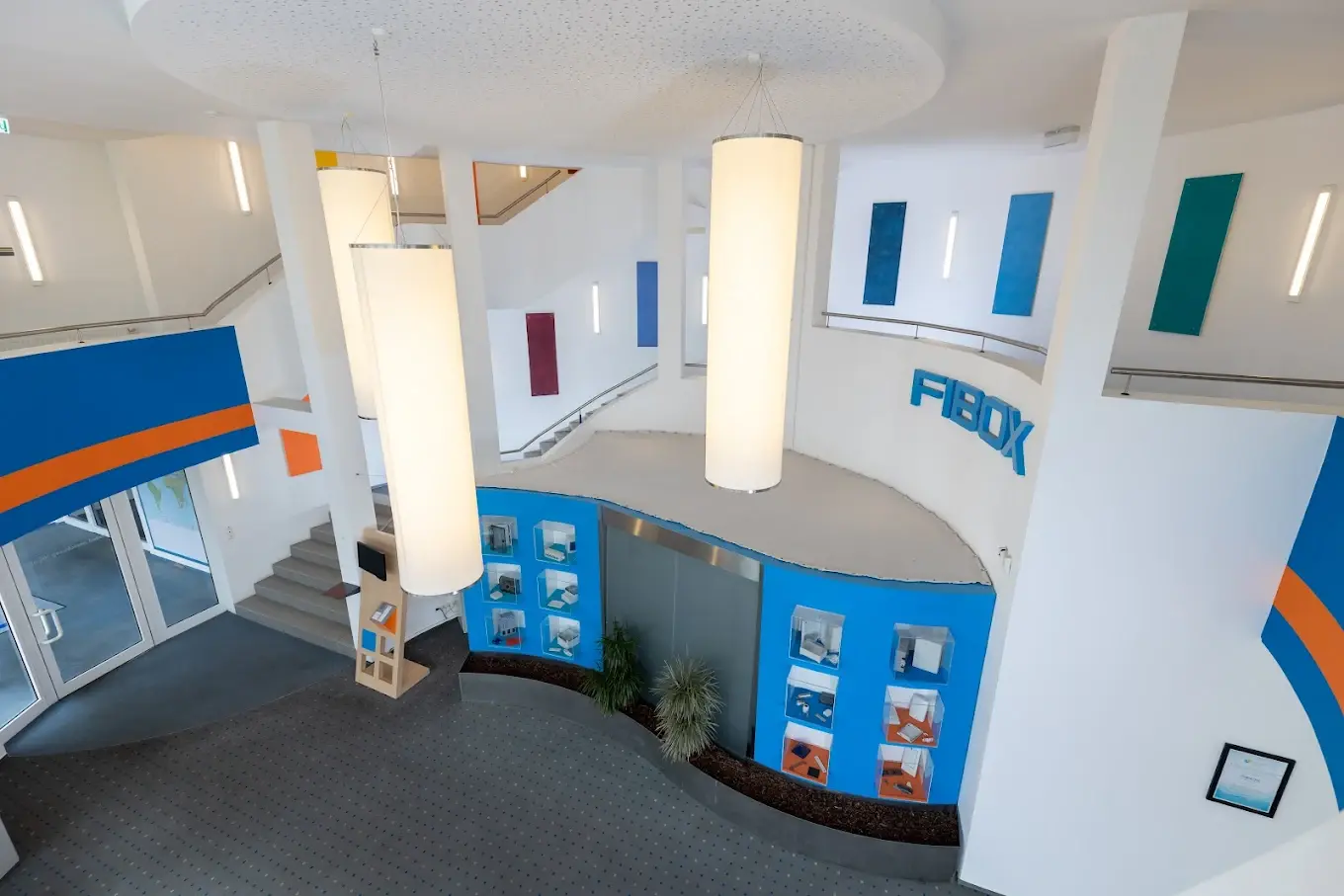
Fibox GMBH
- Customising
- Painting
- Printing
- Engraving
- Machinging
Rehwinkel 30
32457 Porta Westfalica
Germany
infode@fibox.com
Tel.: +49 5731 86946-0
Fibox USA
- Customising
- Painting
- Printing
- Engraving
- Machinging
Glen Burnie
MD 21061
United States
sales.usa@fibox.com
Tel: (888) 342-6987 or
(410) 760-9696
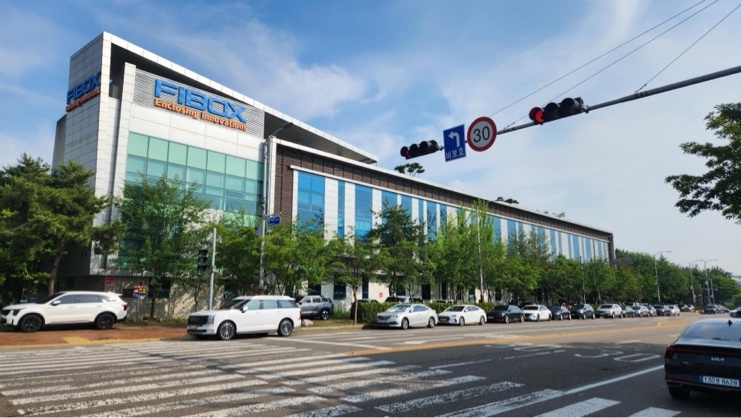
Fibox Korea
- Electrical enclosures
Fibox Korea
(Songdo-dong) 43-11
Incheontower-daero25beon-gil
Yeonsu-gu, Incheonl
Korea
Fibox France
- Administration
Fibox Sarl
Neptune II
35 bis, Av.de Saint Germain des Noyers
77400 ST THIBAULT DES VIGNES
France
service.client@fibox.com
Tel. +33 1 60 21 17 17
Fibox UK
- Administration
Fibox LTD
Pemberton House 3
Suite 12, Stafford Park 1
Telford, Shropshire GB TF33BD
United Kingdom
salesuk@fibox.com
Tel. +44(0) 1642 604400
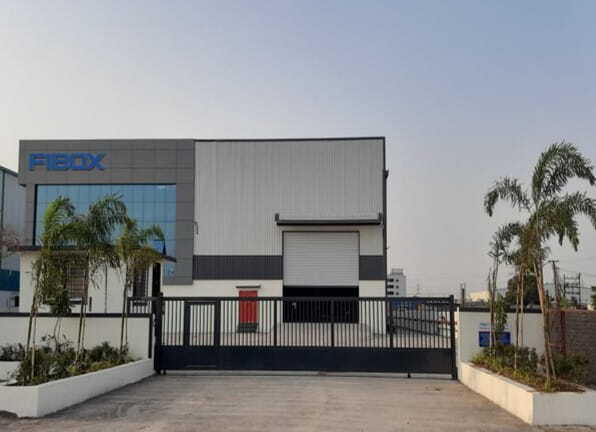
Fibox India
- Control panel assembly
- Enclosing solutions
- Logistics services
Gat No. 868, Vanraj Wasti,
Mahindra Nighoje Road, Village – Nighoje, Taluka – Khed, District Pune 410501, Maharashtra, India
Fibox AB
- Administration
Fibox AB
c/o MiH Redovisning Ab
Borgvägen 7
74571 Enköping
Sweden
orderse@fibox.com
Tel. +46 8 792 2670
Fibox Japan
1-8-2 Nishi-Hommachi, Nishi-ku
Osaka, 550-0005
Japan
Fibox z.o. o. Romania
virgiliu.balasa@fibox.com
+40 722 734 494
Fibox z.o. o. Czechia
Sales and customer service Czech Rep, Slovakia, Hungary,
Serbia, Bosnia and Herzegovina, Croatia, Slovenia
petr.lustig@fibox.com
Tel. +420 724 023 022
Fibox GMBH Switzerland
Fibox GMBH Netherlands
joost.koekenberg@fibox.com
Tel. +31 651 183751
Frequently asked questions
What materials are Fibox enclosures made of?
Fibox enclosures and cabinets are primarily made from high-quality polycarbonate, ABS, and polyester. These materials provide excellent durability, corrosion resistance, and protection against impact, UV exposure, and moisture.
What materials are used for enclosures and cabinets?
POLYCARBONATE (PC)
Standard polycarbonate (PC) or Glassfibre reinforced (PC+GLAS)
|
Benefits: |
Drawbacks: |
ABS (Acrylnitrile-butadiene -styrene)
|
Benefits: |
Drawbacks: |
GRP - GLASS FIBRE REINFORCED POLYESTER
|
Benefits: |
Drawbacks: |
Polycarbonate and ABS enclosure materials
The FIBOX thermoplastic enclosures are made of polycarbonate (PC) or acrylnitrile-butadiene-styrene (ABS) materials. High impact-resistant polystyrene (PS) enclosures are available to order.
Polycarbonate is an amorphous thermal plastic material whose high heat resistance and excellent physical properties make it an ideal material for enclosures. Polycarbonate can withstand a wide range of temperature fluctuations and its good electrical properties are unaffected by humidity. As a self-extinguishing material polycarbonate requires no protective coating. ABS is another amorphous thermal plastic material with good physical properties and high resistance to chemical attack. It is an ideal cost effective material.
UV resistance of Fibox enclosures polycarbonate, transparent and grey
Virtually all plastic materials are susceptible to degradation under the influence of U.V. radiation, but the quality polycarbonates used in FIBOX enclosures show high durability in this respect, too.
In European latitudes FIBOX enclosures can be used, without hesitation, in outdoor applications. Over the years a slight discoloration, especially of the transparent cover material, will occur. If this must be avoided, a sun roof is recommended.
In tropical latitudes the grey coloured material still performs with only some discoloration. This is due to the TiO used in the grey pigmentation in order to UV-stabilize the material. The transparent material, however, which absorbs the U.V. radiation throughout the material, will in due time (some years) not only turn yellowish, but the high impact resistance will decrease, see below. But more than lowering the impact resistance, the transparent materials allow the UV-radiation to detonate the components mounted inside the enclosure.
The polycarbonates used in FIBOX enclosures have been tested and approved by Underwriters Laboratories, Melville, N.Y. USA, in conformity with standard UL 508 par. 34; 16-22. This standard specifies testing 720 hours in ‘Weatherometer’ (intensified UV light combined with water spray). After testing the materials must retain 85% of the original values with respect to tensile and flexural strength, impact resistance, flammability, and glow wire ignition
UV resistance of Fibox enclosures ABS
ABS materials are less protective against UV rays if directly exposed, can be used if protected against weather influences.
Maintenance of polycarbonate and ABS enclosures
Polycarbonate and ABS enclosures require no actual maintenance. Any dusty units can be cleaned with soap and water. If a detergent is used, the enclosure should be thoroughly rinsed in clean water. Do not use any solvents.
Cast AISi aluminium (AL)
|
Benefits: |
Drawbacks: |
How do enclosure materials compare?
Comparison of materials
The following table gives a general idea of the properties of the various materials. For more detailed information on material performance in your specific application environment please consult your local FIBOX representative.
**** = Excellent
* = Poor
1) Polyester powder coated AISi cast aluminium
2) Glass fibre reinforced
|
Property |
PC |
ABS |
GRP |
AL1) |
PA62) |
NORYL |
PS |
| General properties | |||||||
|
Outdoor use |
**** |
*** |
***** |
**** |
**** |
* |
* |
|
Indoor use |
***** |
***** |
***** |
***** |
***** |
***** |
***** |
|
Cost |
*** |
***** |
* |
* |
** |
*** |
***** |
|
Light weight |
***** |
***** |
*** |
* |
***** |
***** |
***** |
|
High rigidity |
*** |
* |
**** |
***** |
*** |
*** |
* |
|
Impact resistance |
***** |
*** |
**** |
**** |
*** |
*** |
* |
|
Chemical Resistance |
|||||||
|
Salt water environments |
***** |
** |
***** |
****1) |
***** |
***** |
** |
|
Neutral salts |
***** |
***** |
****1) |
**** |
***** |
**** |
|
|
Acids, low concentrations |
***** |
**** |
***** |
** |
**** |
**** |
**** |
|
Acids, high concentrations |
*** |
* |
*** |
* |
* |
**** |
* |
|
Alkalis, low concentrations |
*** |
***** |
**** |
* |
** |
**** |
***** |
|
Alkalis, high concentrations |
* |
**** |
**** |
* |
* |
*** |
**** |
|
Petroleum |
*** |
* |
***** |
***** |
**** |
* |
* |
|
Hydraulic oil |
***** |
***** |
***** |
***** |
***** |
***** |
|
|
Alcohols |
**** |
*** |
**** |
***** |
**** |
*** |
|
|
Solvents |
* |
* |
***** |
***** |
* |
||
|
Cooling fluids |
*** |
***** |
***** |
*** |
***** |
Data subject to change without notice.
Are Fibox enclosures suitable for outdoor use?
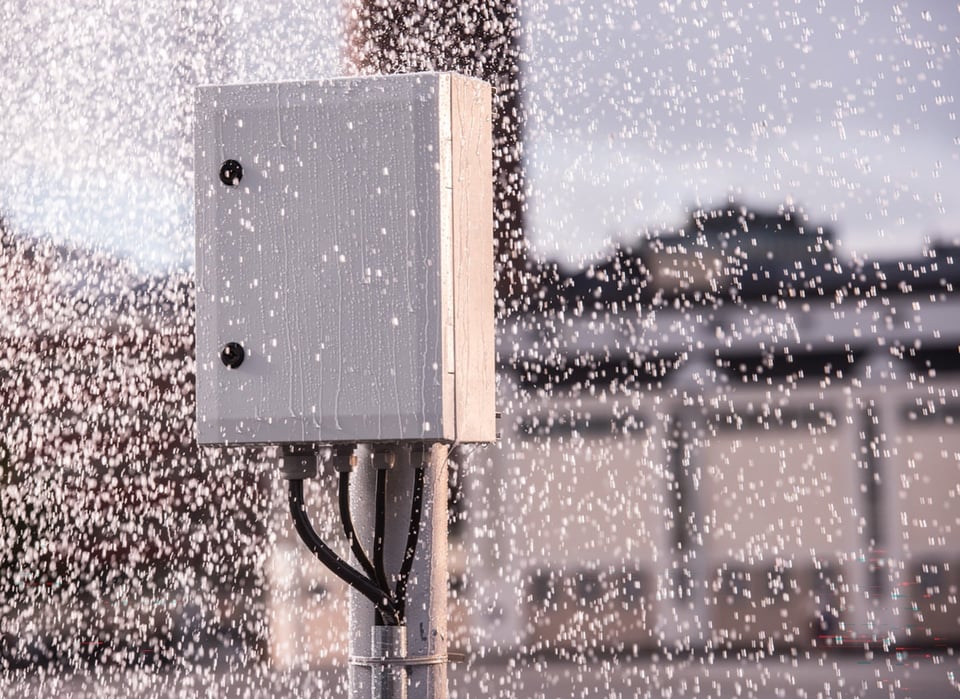
Yes. Many Fibox enclosures and cabinets are IP and IK rated, UV-protected, and waterproof, making them suitable for both indoor and outdoor applications, even in demanding environmental conditions.
Can Fibox enclosures and cabinets be customized?
Yes. Fibox offers a wide range of customization options, including machining, cut-outs, printing, custom colors, and EMC protection to ensure each enclosure meets specific application requirements.
What is IP and IK classification?
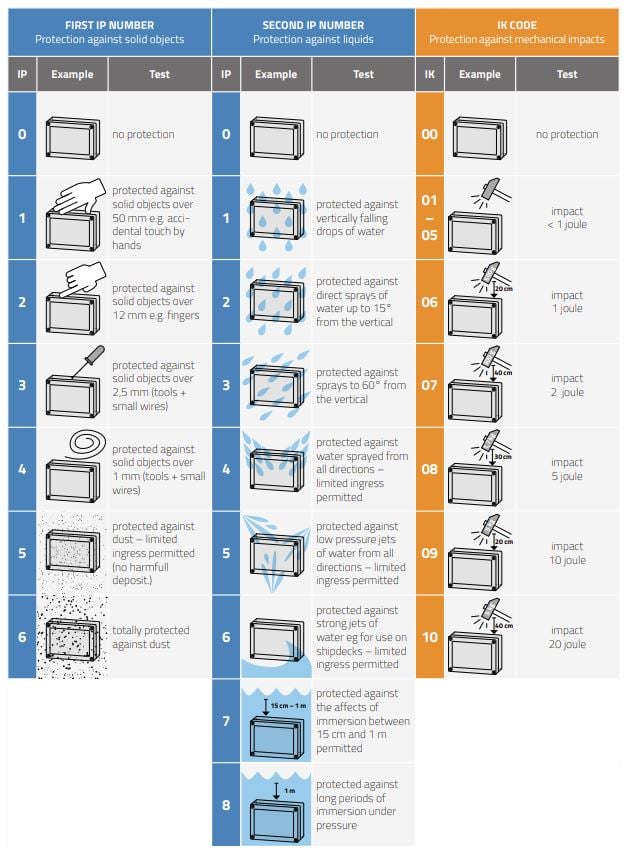
Ingress protection class of enclosures is given in form of IP classification, a two-digit coding which is shown below. Fibox has tested the enclosures according to IEC 529 or EN 60529. The latter requires the second digit to be tested from class 6 upwards separately to each level of class, thus the double marking IP 66 / IP 67 indicates that the actual tests have been made for both levels.
The European standard for enclosures, EN 50298 also includes IK impact test. This test is described in EN 50102. The data for impact resistant is available for each individual Fibox enclosures.
What is NEMA and UL classification?
NEMA is classification of protection.
The National Electrical Manufacturers Association (NEMA) is a US Manufacturers Organisation that actively promotes standardized product specifications for electrical apparatus.
NEMA performance criteria and test methods are used by Underwriters' Laboratories as guidelines for investigation and listing of electrical enclosures. Approximate IP equivalents in parentheses
|
NEMA |
Indoor use primarily to provide a degree of protection against contact with the enclosed equipment and against a limited amount of falling dirt. (IP30) |
|
2: |
Indoor use to provide a degree of protection against limited amounts of falling water and dirt. (IP31) |
|
3: |
Outdoor use to provide a degree of protection against windblown dust, rain, and sleet; undamaged by the formation of ice on the enclosure. (IP64) |
|
3R: |
Outdoor use to provide a degree of protection against falling rain and sleet: undamaged by the formation of ice on the enclosure. (IP32) |
|
3S: |
Outdoor use to provide a degree of protection against windblown dust, rain and sleet; external mechanisms remain operable while ice laden. |
|
4: |
Indoor or outdoor use to provide a degree of protection against splashing water, windblown dust and rain, hose directed water; undamaged by the formation of ice on the enclosure. (IP66) |
|
4X: |
Indoor or outdoor use to provide a degree of protection against splashing water, windblown dust and rain, hose directed water; undamaged by the formation of ice on the enclosure, resists corrosion. (IP66) |
|
6: |
Indoor or outdoor use to provide a degree of protection against the entry of water during temporary submersion at a limited depth; undamaged by the formation of ice on the enclosure. |
|
6P: |
Indoor and outdoor use to provide a degree of protection against the entry of water during prolonged submersion at a limited depth. |
|
11: |
Indoor use to provide by oil immersion a degree of protection of the enclosed equipment against the corrosive effects of corrosive liquids and gases. |
|
12,12K: |
Indoor use to provide a degree of protection against dust, falling dirt and dripping noncorrosive liquids. (IP65) |
|
13: |
Indoor use to provide a degree of protection against dust and spraying of water, oil and noncorrosive coolants. (IP65) |
What are the gasketing options?
FIBOX ENCLOSURE GASKETS OFFER THE BEST PROTECTION
Gasketing plays an essential role in enclosure protection. In the long run, the IP rating and its reliability depend mainly on the properties of the gasket used in the enclosure. Key performance factors of a gasket are its compression set and proper fit in the gasket groove. The best general purpose gasket material is polyurethane which has an exceptionally low compression set. When accurately injection foamed, the polyurethane gaskets stay tightly in the right place. And EPDM material provides the best protection against the most popular industrial chemicals. However, it is wise to check the effect of a chemical on each gasket material since the chemical resistance of gasket materials varies greatly.
In some cases the performance of an enclosure can be mod ifed by changing its gasket. The degree of protection depends on the material and the cross-section profile of the gasket. When choosing gasket material, compare the elasticity properties of different materials and how these properties are affected by cold and heat, or by contact with various chemicals. An important factor is that both the enclosure and gasket must withstand the same chemicals in order to reach a safe resistivity.
FIBOX ENCLOSURES ARE WELL DESIGNED
The degree of ingress protection (IP) of an enclosure is mainly dependent on the properties of its gasket. Nevertheless, the gasket must also properly fit the enclosure. In addition to the cross-section profile of the gasket, there is the cross section of the gasket’s contact with the surfaces of the enclosure bases and covers. If the cross-section structures and manufacturing accuracy of an enclosure are not top quality, the IP rating will remain low even when equipped with a good gasket. Naturally, all FIBOX enclosures are carefully designed and precision made. Using FIBOX enclosures, you only need to focus on the variances in gasket materials.
FIBOX enclosure gaskets are made of PUR, EPDM, neoprene and silicon materials. Table 1 includes some commonly-used physical properties of the gaskets. Note that the chemical resistances in the box and in Table 2 are only rough generalizations to give you some clues to gasket material behavior. The resistance of each chemical should be checked separately. For additional information, please contact Fibox.
Table 1: Gasket materials: physical properties comparison
|
Property |
Unit |
TPE |
PUR |
EPDM |
Neoprene |
Silicon |
|
Temperature range |
°C |
-40 - +120 |
-50 - +80 |
-50 - +120 |
-40 - +100 |
-60 - +170 |
|
Tensile strength |
Mpa |
5 |
0,4 |
13,0 |
8,0 |
9,4 |
|
Elongation at break |
% |
700 |
110 |
300 |
250 |
540 |
|
Hardness |
Shore A |
30 |
12 |
65 |
66 |
52 |
|
Density |
g/cm3 |
1,13 |
0,33 |
1,12 |
1,6 |
1,15 |
|
Compression set |
% |
17 |
5 |
20 |
35 |
14 |
Table 2: Gasket materials: physical properties comparison
|
Chemical Performance |
TPE |
PUR |
EPDM |
Neoprene |
Silicon |
|
Neutral salts |
**** |
**** |
**** |
**** |
**** |
|
Acids, low concentrations |
**** |
*** |
**** |
*** |
*** |
|
Acids, high concentrations |
*** |
* |
*** |
* |
* |
|
Alkalis, low concentrations |
**** |
*** |
**** |
**** |
*** |
|
Alkalis, high concentrations |
*** |
* |
**** |
*** |
* |
|
Petroleums |
* |
* |
* |
*** |
* |
|
Hydraulic oils |
* |
**** |
* |
*** |
* |
|
Alcohols |
** |
*** |
**** |
**** |
**** |
|
Cooling fluids |
*** |
*** |
**** |
*** |
**** |
How is Flammability Classification - UL 94 defined?
UL 94 FLAMMABILITY CLASSIFICATION TESTS FOR PLASTIC MATERIALS
UL 94 is the standard applied by the American Underwriters Laboratories for the testing of the flammability and fire safety of plastic materials used in devices and appliances. In the UL 94 HB (Horizontal Burning) test the burning of a horizontal plastic specimen is tested and in the most demanding UL 94V (Vertical Burning) tests the burning of a vertical test specimen. Precise details of the equipment, conditions and test systems to be used can be found in the UL 94 standard.
UL 94 HB: Horizontal burning test
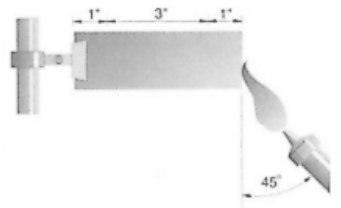
The length of the test specimen is 5" (127 mm) and width 0.5" (12.7 mm). The test sheet cannot be more than 0.5 (12.7 mm) thick. Lines are marked on the sheet at the 1" and 4" locations. The sheet is fixed horizontally at one end and tilted 45 degrees in the direction of the width, as shown in the diagram. The burner used is adjusted so that it forms a 1" long blue flame. The flame is directed at an angle of 45 degrees to the front edge of the plastic sheet so that about 1/4 of the test specimen’s front edge is in the flame. The flame is applied for 30 seconds, after which it is removed. If the test specimen burns to the 1" line before 30 seconds have passed the flame is removed immediately. The test is carried out on three test sheets.
The material under investigation is classified as UL 94 HB if, after the removal of the flame:
A) The speed of burning does not exceed 1.5" (38.1 mm) per minute when the test specimen thickness is 0,120-0,500" (3,05-12,7 mm)
or
B) The speed of burning does not exceed 3,0" (76.2 mm) per minute when the thickness of the specimen is less than 0,120" (3,05 mm)
or
C) Burning finishes before the flame reaches the 4" line
UL 94 V-0, V-1, V-2: Vertical burning tests
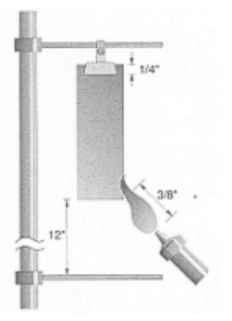
The test specimen length is 5" (127 mm) and width 0.5" (12.7 mm). The sheet to be tested can not be more than 0.5’ (12.7mm) thick. The sheet is fixed 1/4" from the upper end in the vertical position. A metal mesh covered with surgical cotton is positioned 12" (305 mm) beneath the test sheet. The flame of the burner used is adjusted so that is forms a 3/4" blue flame. The flame is directed from below at the lower edge of the plastic sheet at a distance of 3/8" (9.5 mm). The flame is applied for 10 seconds, after which it is removed. The burning time of the test specimen is recorded. Immediately the burning stops the flame is reapplied for 10 seconds. After removal of the flame the burning time and afterglow time is again noted. The entire test is carried out on five different test specimens.
The material tested is UL 94 V-O classified if:
A) None of the five test specimens burn for over 10 seconds at any time when the burner flame is removed.
B) The total burning time of the 10 ignition test does not exceed 50 seconds.
C) No test specimen burns either with a flame or afterglow to the clamp.
D) No burning drops should fall which would cause the cotton underneath to ignite from any test specimen.
E) The afterglow burning of no test specimen exceeds 30 seconds.
The material tested is UL 94 V-1 classified if:
A) None of the five test specimens burn for over 30 seconds at any time when the burner flame is removed.
B) The total burning time of the 10 ignition test does not exceed 250 seconds.
C) No test specimen burns either with a flame or afterglow to the clamp.
D) No burning drops should fall which would cause the cotton underneath to ignite from any test specimen.
E) The afterglow burning of no test specimen exceeds 60 seconds.
The material tested is UL 94 V-2 classified if:
A) None of the five test specimens burn for over 30 seconds at any time when the burner flame is removed.
B) The total burning time of the 10 ignition test does not exceed 250 seconds.
C) No test specimen burns either with a flame or afterglow to the clamp.
D) Only such burning pieces may fall from the test specimen, which burn only momentarily, and of which some ignite the cotton underneath.
E) The afterglow burning of no test specimen exceeds 60 seconds.
UL 94 5V: Vertical burning test
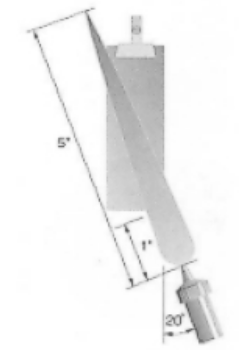
The length of the test specimen is 5" (127 mm) and the width 0.5 (12.7 mm). The test sheet shall not be more than 0.5" (12.7 mm) thick. Flammability classification is granted for specific thickness intervals, for which both the maximum thickness and minimum thickness sheet must be tested. The test sheet is fixed 1/4" from the upper end in the vertical position. The flame of the burner used is adjusted so that it forms a 5" flame whose blue heart is 1,57" (40mm) long. The flame is directed from below at the corner of the plastic sheet at a distance of 1". The flame is applied for 5 seconds, after which it is removed for 5 seconds. This is repeated five times. The entire test is carried out on five test specimen.
The material tested is UL 94 5V classified if:
A) No test specimen burns with a flame or afterglow for more than 60 seconds after the fifth ignition.
B) No material drops from the test specimen.
Do you offer Environmental Product Declaration (EPD) for enclosures and cabinets?
Yes we do. Download Fibox environmental product declarations:

Where can i find REACH declaration?
You can download the REACH Declaration here:

Where can I find ROHS declaration?
Download our most recent ROHS declaration:

Where can I find TSCA declaration?
Download our most recent TSCA declaration:

Where can I buy Fibox products?
Fibox products are available globally through our network of own sales offices and trusted distributors. You can contact a local partner or sales office to get support, pricing, and product availability.
Where can I find technical documentation?
All brochures, installation guides, and certificates are available in the Resources section, helping you with planning, installation, and compliance.