


Sustainable Procurement
Fibox collaborates with a network of over 300 suppliers across approximately 15 countries. We are committed to fostering strong partnerships that support the advancement of sustainable practices throughout our supply chain. Ensuring compliance with safe operations, fair labor practices, and ongoing supplier due diligence alongside proactive risk assessment and climate-related initiatives remains a core priority in our sustainability efforts.
Fibox Supplier Code of Conduct
The purpose of Fibox Code of Conduct is to support and guide the choices and decisions made in the Fibox Group. With the operating instructions, we ensure that all Fibox Group employees and Fibox Group partners have a unified understanding of the rules and principles that guide what we do. It covers areas such as health and safety, human and labour rights, child and forced labour, environment, anti-bribery and corruption, confidentiality, fair competition, compliance with laws, trade sanctions and more. We expect our suppliers to make every effort to comply with our Supplier Code of Conduct.

FTS sourcing policy
Fibox Tested Systems sourcing policy is a formalized set of guidelines and principles that we use to make decisions about where and how we acquires goods, services, or materials. It helps ensure that the company's sourcing activities align with its overall business goals, values, and operational needs. FTS sourcing policy covers following areas :
- Fibox Supplier Code of Conduct,
- Supplier requirements ,
- Social responsibility,
- Preferred supplier program,
- Risk management,
- Sustainability KPIs,
We expect our suppliers to make every effort to comply with our policy.
Read more!
Location
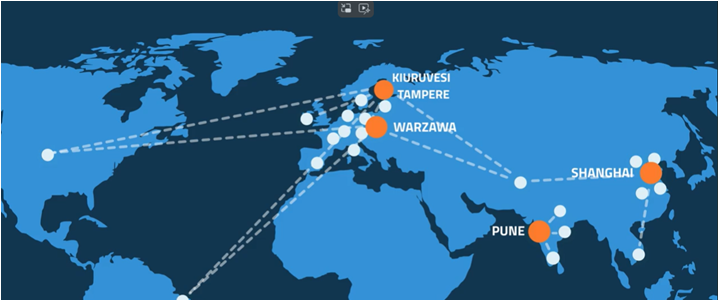
At Fibox, our locations are strategically selected to be close to our customers. In line with this approach, we prioritize working with suppliers located near our operations. This supports close collaboration, enhances supply chain efficiency, integrate local community and helps reduce transportation-related emissions.
Preferred supplier program
In 2024, FTS introduced a Preferred Supplier Program to recognize top suppliers excelling in quality, delivery, cost, and sustainability. The program fosters strategic collaboration on performance and sustainability targets, encouraging joint business growth and improvement.
Supplier benefits:
- Business review meetings for feedback
- Scorecard evaluations identifying strengths and improvements
- Priority access to new opportunities and early bid invitations
Only limited number of suppliers will be selected in the program through strict evaluation. Criteria are regularly updated and participants are reviewed yearly through supplier scorecards to ensure standards are met.
Supplier score card.jpeg "Media (2)")
Promoting sustainability with suppliers
Fibox Tested Systems actively advances its supplier sustainability objectives by holding periodic meetings with key suppliers and mandating annual updates from all FTS-controlled suppliers. FTS aims to continue supplier sustainability audits and offer ESG training for the FTS-controlled supply base. Training covers following key areas:
- Introduction to ESG and its importance for Suppliers
- Sourcing policy, Code of Conduct and ESG requirements
- Supplier self-assessment and ESG risk evaluation
- Workers, customer, and end user safety
- Sustainability KPIs
- Case examples
FTS sustainability statement for suppliers:
"We strive for sustainable supply chain through transparent practices and measurable standards. We expect suppliers to uphold uncompromising safety practices, sustainable use of natural resources, fair treatment of employees and high-level of integrity and risk management practices."
ESG Procurement Risk management
FTS implements robust supplier sustainability risk management practices, which include routine communication with key suppliers, regular monitoring of supplier sustainability KPIs, supplier risk assessments, ESG-focused training, and the development of targeted action plans for high-risk suppliers. We also benchmark industry best practices by working with companies that have advanced ESG programs and consultants. Suppliers are required to list, monitor, and mitigate their ESG risks:
- Environmental (Carbon footprint, emissions, resource use, energy, waste management, water usage)
- Social (labour practices, respect for human rights, worker/customer/user safety, engagement with local communities )
- Governance (Ethical practices, anti-corruption policies, transparency, and legal compliance)
- Economic Viability and financial stability
We expect our suppliers to establish and uphold comprehensive sustainability risk management practices in full compliance with our sourcing policy. For a reliable and effective assessment of a supplier's activities, we recommend ISO 14001 and ISO 45001 certification. Participation in the EcoVadis assessment is also beneficial. If the supplier is not subject to mandatory disclosure requirements regarding their environmental, social, and corporate governance (ESG) impact under European law, reporting according to VSME will be a valuable complement.